
For many travelers, searching for international flights to Tehran feels different from booking a flight to almost anywhere else. Not because it’s unsafe or unusually complex, but because the information online is fragmented, sometimes outdated, and often written without real familiarity with how Iran-bound travel actually works.
This article is written to close that gap. If you’re planning to fly to Tehran—whether for tourism, business, or visiting family—this guide explains how international flights to Tehran operate in practice, what choices you realistically have, and how to avoid common booking mistakes.
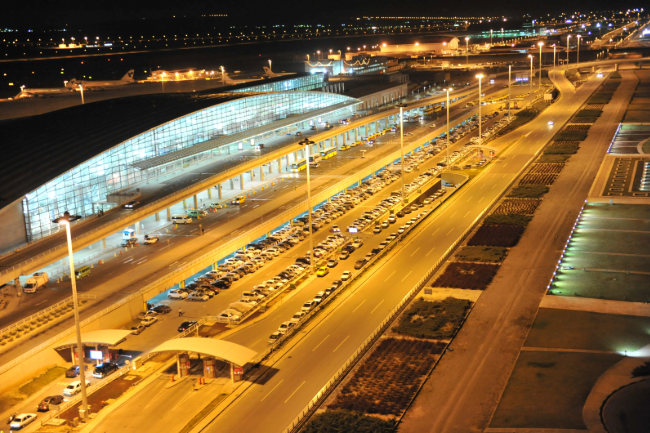
Understanding International Flights to Tehran
When people talk about international flights to Tehran, they are almost always referring to flights landing at Imam Khomeini International Airport, commonly abbreviated as IKA. This airport is Iran’s primary international gateway and handles nearly all overseas arrivals.
A common point of confusion is Mehrabad Airport, which is located closer to the city but serves mainly domestic flights. If you are flying internationally, your destination airport will be IKA, not Mehrabad. This distinction matters when booking transport, accommodation, or transfers.
International flights to Tehran are a mix of direct and connecting routes. Direct flights exist, but they are limited to certain countries and change depending on season and airline schedules. For most travelers, especially those coming from Europe, North America, or parts of Asia, a connecting flight is the standard and often the most practical option.
Airlines and Routes: What the Landscape Really Looks Like
Unlike global hubs with dozens of daily long-haul flights, Tehran operates on a more selective network. Several regional and international airlines fly to Tehran, mostly connecting the city to the Middle East, parts of Europe, and Asia.
Flights from nearby regions—particularly the Middle East—are generally the most frequent and predictable. From Europe, international flights to Tehran often involve either limited direct services or one-stop connections through major regional hubs. Travelers coming from the United States or Canada should expect at least one connection, typically via Europe or the Middle East, as there are no nonstop flights on these routes.
The key thing to understand is that availability can change. Airlines adjust routes based on demand, diplomatic conditions, and seasonal travel patterns. That’s why flexibility with dates and routes often results in better options and prices when flying internationally to Tehran.
Direct vs. Connecting Flights to Tehran
Many travelers naturally look for direct flights, assuming they are always better. In the case of Tehran, that isn’t necessarily true.
Direct international flights to Tehran are limited and can be more expensive, with fewer departure options per week. Connecting flights, on the other hand, usually offer more flexibility in timing, a wider range of airlines, and often more competitive pricing. For long-haul travelers, especially, a well-planned connection can be smoother and only marginally longer in total travel time.
In practice, most experienced travelers to Iran prioritize reliability and booking confidence over the idea of flying nonstop.
If you want to know more, please read this article: Direct vs. Connecting Flights to Iran: Which One Should You Choose?
How Much Do International Flights to Tehran Cost?
There is no single price range that applies to everyone, but there are clear patterns. Flights from nearby countries are generally affordable, while long-haul routes cost more, as expected. Prices tend to rise during peak travel periods such as spring holidays, summer months, and major Iranian events.
If you are flexible with travel dates, late winter and early autumn often offer better fares. Booking too early or too late can both work against you; the sweet spot is usually a few weeks to a couple of months before departure, depending on route demand.
Booking International Flights to Tehran: What Actually Works
This is where many travelers face frustration. While global booking engines may show available flights, payment failures or ticket issuance problems are common when booking Iran-bound flights through platforms that are unfamiliar with the market.
Successful bookings usually happen through:
- Regional booking systems that regularly issue Iran tickets
- Specialized travel platforms focused on Iran
- Agencies that can confirm ticket issuance before payment complications arise
The most important rule is simple: never assume a booking is complete until the ticket is issued and confirmed by the airline. This matters more for Tehran flights than for most other destinations.
Visa and Entry Considerations
Most travelers arriving on international flights to Tehran require a visa, either obtained in advance or issued on arrival, depending on nationality. Immigration officers typically check passport validity, visa status, and onward or return tickets. Having accommodation details ready also helps speed up the process.
While visa rules are a separate topic, it’s important to factor them into your flight planning timeline so that arrival and documentation align smoothly.
What Arrival in Tehran Feels Like
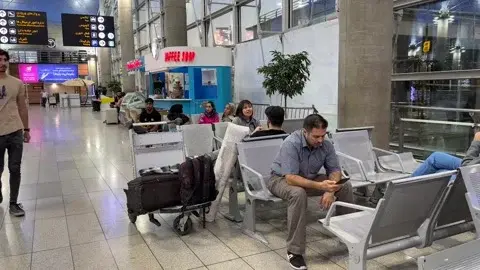
Arriving at Imam Khomeini International Airport is usually calmer than many travelers expect. Immigration procedures are structured, signage is available in English, and airport services such as SIM cards, currency exchange, and transportation are easy to find.
The airport is located outside the city, so reaching central Tehran typically takes between 45 minutes to an hour, depending on traffic. Taxis, metro connections, and pre-arranged transfers are all available.
Is It Safe to Fly to Tehran?
From an aviation and airport perspective, international flights to Tehran operate under standard commercial and safety regulations. The airport handles millions of passengers each year, including tourists, business travelers, and returning residents.
As with any international destination, staying informed is wise, but the act of flying to Tehran itself is not unusual or inherently risky. Most concerns stem from headlines rather than on-the-ground travel realities.
Final Thoughts
Booking international flights to Tehran requires a slightly different mindset than booking flights to more mainstream destinations. The key is understanding the airport system, being realistic about routes and connections, and choosing booking channels that are experienced with Iran travel.
Once those pieces are in place, flying to Tehran becomes a straightforward process—and often the beginning of a travel experience that surprises visitors in the best possible way.
If you approach it with clarity instead of assumptions, Tehran is far more accessible than it first appears.